How to Choose the Best IPOs in Nepal to Apply For?
Investing in Initial Public Offerings (IPOs) can be exciting, but it can also be risky if you don’t know what to look for. In Nepal’s growing stock market, many new companies are going public every year. This creates great opportunities for investors, but it also means you need to be smart about how to choose the best IPO for investment.
An IPO happens when a private company sells its shares to the public for the first time. When you buy IPO shares, you become a part-owner of that company. The goal is to pick companies that will grow and make your investment worth more over time.
Many new investors apply for every IPO without research. This often leads to losses when the company doesn’t perform well after listing on the secondary share market. The key is to understand how to evaluate each opportunity carefully.
In this guide, you’ll learn exactly how to know which IPO are good and the steps to analyze them. We’ll cover everything from reading financial statements to understanding market timing. By the end, you’ll have a clear IPO investment strategy to make smarter decisions and avoid common mistakes.
Why Choosing the Right IPO Matters?
Picking the right IPO can make a huge difference in your investment returns. Some IPOs in Nepal have doubled in value within months, while others have lost 30–50% soon after listing. The difference usually comes down to the company’s quality and whether investors did their homework.
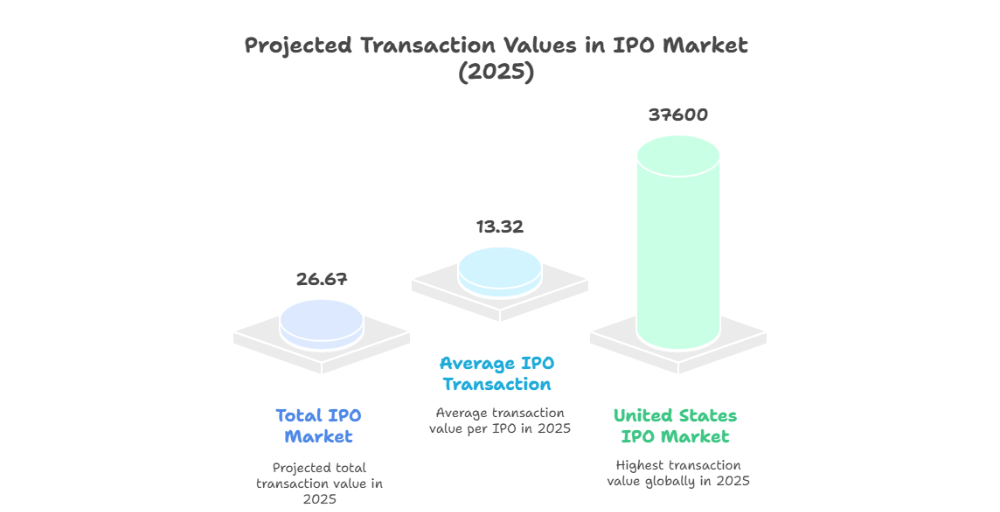
When you focus on the benefits of IPO, the picture becomes clear. A well-chosen IPO not only increases your chances of profitable returns but also reduces the risk of losses and strengthens your overall portfolio. For many retail investors in Nepal, IPOs are one of the easiest ways to enter the stock market with small amounts of money and grow wealth gradually.
Nepal’s IPO market is unique. Information can be limited, and retail investor participation is very high. Emotions often drive prices more than fundamentals, which makes it even more important to follow a proper process.
Successful IPO investing is not about luck. It’s about consistently making smart choices and being able to spot red flags before most others.
Read More: IPO Rules in Nepal: Complete Guide for New Investors (2025)
10 Tips Before Applying for an IPO in Nepal
Many investors ask how to choose the best IPO for investment in Nepal. The answer lies in careful research and following a clear checklist. Here are ten practical tips that will help you make smarter decisions:
1. Company Financials
Always start by studying the company’s audited financials for at least three years. Look for steady growth in revenue, net profits, and cash flow. A company that consistently earns profits is usually a safer bet than one showing sudden, unexplained jumps.
For example, if two hydropower companies are launching IPOs, the one with stable profits and low debt is usually the better choice.
2. Business Model and Sector Growth
Ask yourself: “How does this company make money?” A simple and sustainable business model is easier to trust. Look at whether the industry has growth potential in Nepal. Hydropower and insurance are expanding, while some traditional manufacturing sectors may be struggling. A business in a growing sector has more chances to succeed after listing.
3. IPO Pricing and Valuation
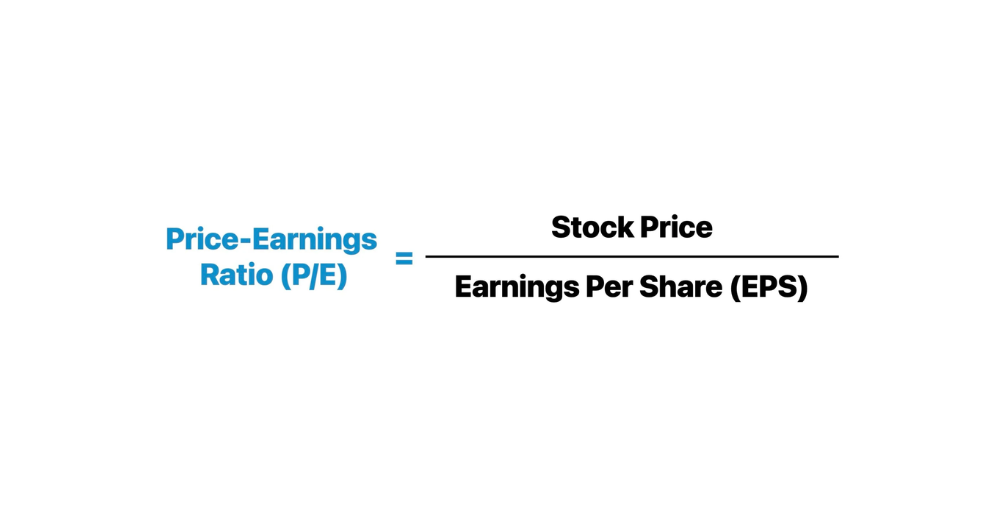
One of the most common mistakes new investors make is not checking whether an IPO is overpriced. Compare the issue price with listed companies in the secondary market. Use valuation tools like the price-to-earnings (P/E) ratio and price-to-book (P/B) ratio. If the IPO is priced much higher than similar businesses without a clear justification, it may not be worth applying.
4. Credit Rating
Check the IPO’s credit rating by agencies like ICRA Nepal or CARE Ratings. A rating of “A” or higher shows lower risk, while “B” or below indicates higher risk. These ratings are based on deep financial analysis, so don’t ignore them. Even if a company looks attractive, a weak rating could mean hidden risks.
5. Regulatory Compliance
Every company must meet SEBON’s rules before going public. Check if the company has faced penalties, legal disputes, or regulatory issues. Strong compliance usually means the company is more trustworthy. Poor governance and weak transparency often cause trouble later, which hurts the share price.
6. Promoter-to-Public Shareholding Ratio
Look at how much of the company the promoters are keeping for themselves. If promoters hold a large stake (say 70% or more), it shows confidence in the company’s future. If their shareholding is too low, it might mean they are exiting instead of building long-term value.
7. Promoters and Management Team
Behind every successful IPO is a capable team. Research the promoters’ track record and management’s experience. Have they built successful companies before? Do they have a good reputation in the market? Look at IPO examples where strong leadership helped companies grow into blue chips stock after listing.
8. Market Sentiment and Timing
The best company can still perform poorly if the market is down. Keep an eye on NEPSE trends. During bullish markets, IPOs often get strong demand. During bearish markets, even good IPOs may struggle. Timing your investment can make a big difference.
9. Use of IPO Funds
Check how the company plans to use the money. Are they expanding capacity, paying debt, or investing in growth projects? These are positive signs. But if most of the funds go to existing shareholders cashing out, it’s usually not good for new investors.
10. Prospectus, Due Diligence, and Subscription Trends
Always read the IPO prospectus, it’s long, but it tells you the company’s risks, business plan, and financial details. During the subscription period, track how many investors are applying. Strong demand can signal confidence, but don’t rely on hype alone. A balanced view of both fundamentals and demand is the best approach.
Read More: 10 Biggest IPOs in Nepal’s History
Conclusion
Choosing the right IPO in Nepal requires patience, research, and discipline. Always check the financials, business model, management team, and pricing before applying.
Companies with strong fundamentals and leadership usually perform better over time. If you miss one opportunity, you can still buy in the secondary market or apply for other upcoming IPOs. The key is not chasing every issue but making consistent, smart investment choices.